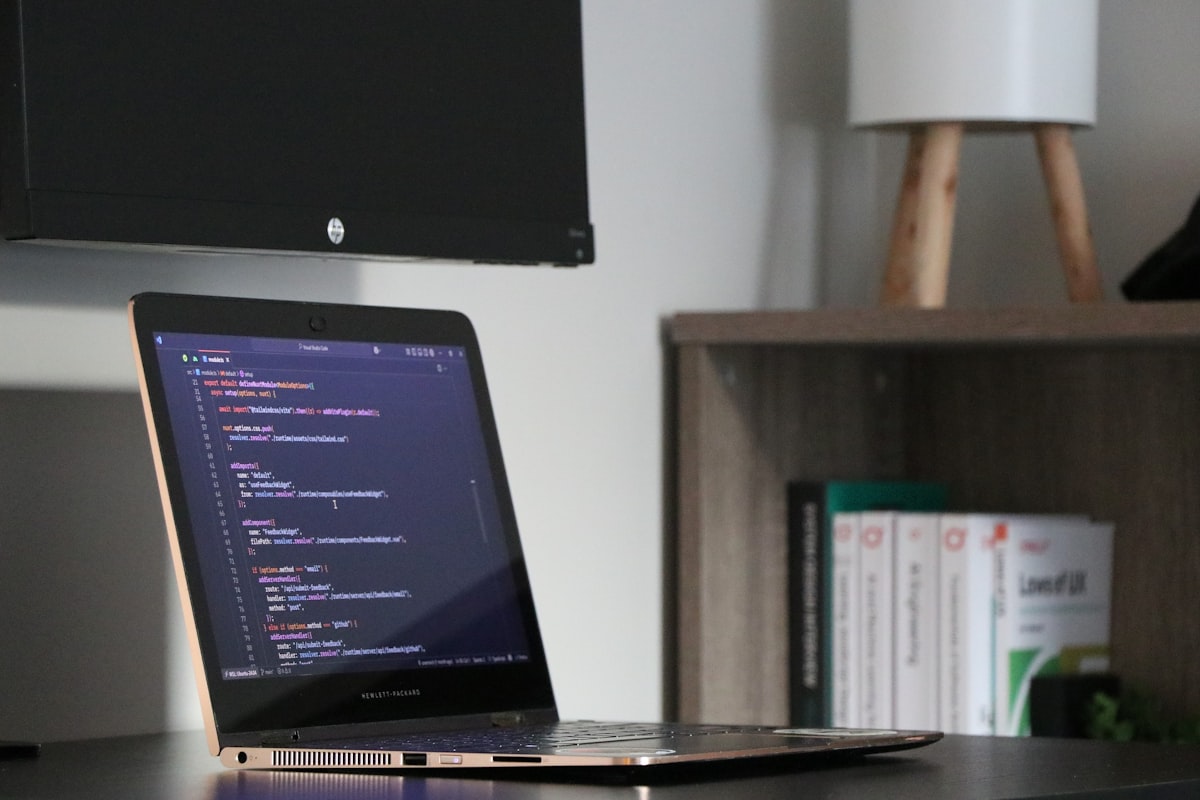
What Is Vibe Coding?

Writing code by describing what you want the AI to do, letting it handle the implementation details. Here is the plain-English deep dive: what it means, why it matters, and how to use the concept in practice.
Start Aura Farming
Top AI money moves delivered every morning - free forever.
Want to Build a Site Like This One?
The AI Money Farm is the exact step-by-step blueprint behind AIAuraFarm.com.
Get It on Amazon →What Is Vibe Coding?
Vibe coding is when you describe the feeling, behavior, or outcome you want from your code, and an AI writes the actual implementation for you. Instead of manually typing out syntax and logic, you tell an AI something like "I need a function that takes a list of emails and filters out the fake ones" and it generates working code that does exactly that. It's the difference between saying "I want a cozy cabin aesthetic" to an interior designer versus measuring every wall dimension yourself. The AI handles the technical minutiae while you focus on what you actually need.
You encounter vibe coding every time you use tools like GitHub Copilot, Claude's code generation, or ChatGPT to write functions, debug problems, or scaffold projects. You describe the vibe in plain English (or even in comments), hit enter, and the AI produces code that matches your description. It works because modern LLMs have absorbed massive amounts of code and patterns, so they can pattern-match your description to real implementations. The AI essentially asks itself "what code would match this description?" and generates it based on parameters it learned during training. You can even iterate: if the output isn't quite right, you refine your description and try again.
This matters practically because it makes coding faster and more accessible. A junior developer can ship features that would normally take seniors hours to write. You spend less time wrestling with syntax and more time solving actual problems. But there's a real risk: the code the AI generates can look confident while being subtly broken, inefficient, or insecure. It might have hallucinations that produce bugs you won't catch without careful review. This is why vibe coding works best when you understand enough to spot mistakes and can test rigorously.
The practical rule of thumb: use vibe coding for the 80% of code that's straightforward (boilerplate, common patterns, obvious logic), but always review and test, especially for the 20% that matters most (security, performance, edge cases). Think of it as having a very fast junior developer who's helpful but sometimes confidently wrong. The real skill is directing it well and catching its mistakes before they reach production.