The 9 Best AI Tools for Videographers in 2026
Video editing has always eaten more hours than shooting. These are the AI tools videographers are actually using in 2026 to speed up the boring parts without handing over the creative work.
Start Aura Farming
Top AI money moves delivered every morning - free forever.
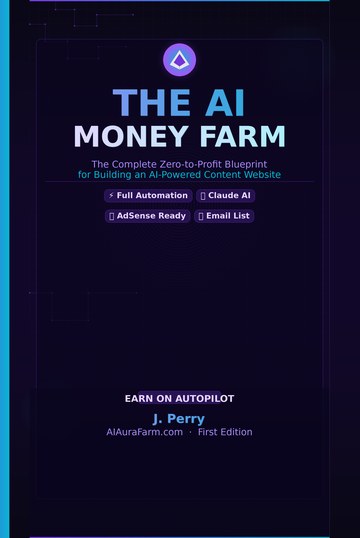
Want to Build a Site Like This One?
The AI Money Farm is the exact step-by-step blueprint behind AIAuraFarm.com.
Get It on Amazon →Why Videographers Are Turning to AI
Shooting is the fun part. The real time sink for most videographers is everything that happens after the card comes out of the camera: syncing audio, cutting down four hours of footage into a three-minute highlight reel, transcribing interviews, cleaning up noisy audio from a windy outdoor shoot, and reformatting one master edit into six different aspect ratios for six different platforms. None of that is creatively rewarding, and most of it used to require either hours of manual labor or an assistant editor you couldn't afford. AI tools have gotten genuinely useful at absorbing that grind, from auto-transcribing a two-hour wedding ceremony in minutes to upscaling shaky 1080p footage into something that holds up on a 4K delivery.
That said, the hype outpaces the reality in a few places. Fully generative AI video still struggles with consistent faces, hands, and physics over long clips, so it's mostly useful for b-roll, transitions, or short social hooks rather than a whole client project. And if you shoot weddings, corporate events, or documentary work involving real people, uploading raw footage to cloud-based AI tools raises real privacy and consent questions, especially if a client hasn't agreed to their footage touching a third-party server. The tools below are ones that actually deliver on their claims for working videographers, along with where they fall short.
⚡ Quick Picks
The Best AI Tools for Videographers
1. Adobe Premiere Pro Editor's Choice
Premiere Pro's AI features have quietly become some of the most useful in the industry: Enhance Speech cleans up muddy dialogue in a click, auto reframe handles vertical and square crops for social cuts, and generative extend can stretch a shot by a second or two to fix a timing problem without a reshoot. It's still the industry standard for a reason, but the subscription cost adds up and the AI features occasionally produce artifacts on complex audio or footage that need manual cleanup.
2. DaVinci Resolve Best Free Option
Resolve's free tier is remarkably complete, and its Neural Engine powers AI-assisted color matching, speed warp for smooth slow motion, and voice isolation that genuinely helps with wind noise and room echo. Many videographers use it purely for the color grading even if they cut in Premiere. The learning curve is steeper than some competitors, and the AI tools are strong but not quite as polished as Adobe's for speech-specific tasks.
3. Descript Best for Text-Based Editing
Descript transcribes footage and lets you edit video by editing the transcript text, which is a genuinely faster workflow for interview-heavy corporate or documentary work. Its Studio Sound cleanup and overdub voice cloning features are useful for fixing a flubbed line without a reshoot. It's less suited to fast-paced narrative editing or heavy visual effects work, where it starts to feel limiting.
4. Runway ML Best for Generative VFX
Runway's video generation and green screen tools let videographers create short b-roll clips, extend backgrounds, or remove objects from a shot without a reshoot. It's best treated as a supplemental tool rather than a replacement for real footage, since generated clips still show inconsistencies over longer durations. Disclosing AI-generated segments to clients is a good habit, since some industries and platforms have started requiring it.
5. Topaz Video AI Best for Upscaling and Restoration
Topaz specializes in taking shaky, grainy, or low-res footage and turning it into something deliverable at 4K, which matters for videographers working with archival footage, old family tapes, or a client's phone footage that needs to sit next to professional shots. It's slow to render on anything without a strong GPU, and it's a one-trick tool rather than a full editor, so it works best alongside Premiere or Resolve.
6. Frame.io Best for Client Review
Frame.io, now part of Adobe, uses AI-assisted search to let clients and editors find specific moments in footage by describing them in plain language, which cuts down on the endless \"the part where she's smiling near the end\" feedback threads. It integrates directly with Premiere for a smooth review-to-edit loop. The AI search works best on well-lit, clearly framed footage and can miss more ambiguous requests.
7. ElevenLabs Best for AI Voiceover
ElevenLabs generates natural-sounding voiceover in dozens of languages and can clone a narrator's voice to fix a single flubbed line without booking another recording session. It's a real time and cost saver for corporate and documentary videographers who need consistent narration. Voice cloning does raise consent questions, so always get explicit permission before cloning anyone's voice, including your own client's.
8. Opus Clip Best for Repurposing to Shorts
Opus Clip scans a longer video, finds the moments most likely to perform well as short clips, and auto-generates vertical cuts with captions, which saves real hours for videographers delivering social content alongside a main edit. The clip selection is good but not perfect, so a manual review pass before delivery is still necessary. It's a repurposing tool, not a substitute for the original edit.
9. ChatGPT or Claude Best for Scripts and Communication
General AI assistants are genuinely useful for the business side of videography: drafting shot lists, writing interview questions, tightening a voiceover script, or replying to a client inquiry quickly. They're not video tools themselves, but they save time on the writing tasks that surround every shoot. Treat any factual claims they generate about a client's industry or product with a healthy dose of double-checking before it ends up in a script.
How to Actually Start Using These Tools
Frequently Asked Questions
Will AI replace video editors?
Not in any complete sense as of 2026. AI is very good at grunt work like transcription, rough cuts, and cleanup, but creative pacing, story structure, and client taste still require a human editor who understands the footage and the audience.
Is it safe to upload client footage to AI tools?
It depends on the tool's data policy and your client agreement. For sensitive footage like weddings, medical content, or corporate material under NDA, check whether the platform trains on uploaded content and get client consent before using cloud-based AI tools on their footage.
Do I need to disclose AI-generated footage to clients?
It's not always legally required, but it's becoming a professional norm, especially for generative b-roll or voice cloning. Many videographers now include a simple line in their contract or delivery notes describing where AI tools were used.
What's the cheapest way to start using AI as a videographer?
DaVinci Resolve's free version already includes strong AI-assisted color and audio tools, and general assistants like ChatGPT have usable free tiers for scripts and shot lists. You can build a full AI-assisted workflow before spending anything, then add paid tools like ElevenLabs or Topaz only when a specific project justifies the cost.
The Bottom Line
For most working videographers, a realistic AI stack costs somewhere between $0 and $60 a month depending on how many specialist tools you add on top of your main editor, and it typically pays for itself in the hours saved on transcription, cleanup, and repurposing alone. Start with the editor you already use, add one specialist tool at a time as real projects demand it, and keep a clear policy on client consent and disclosure so the time you save doesn't come back to bite you on trust.