The 8 Best AI Tools for Plumbers in 2026

Plumbers are increasingly turning to AI to streamline estimates, manage jobs across multiple sites, and reduce administrative overhead. This guide covers genuine AI tools and platforms that solve concrete problems for plumbing contractors, from scheduling chaos to customer follow-ups.
Start Aura Farming
Top AI money moves delivered every morning - free forever.
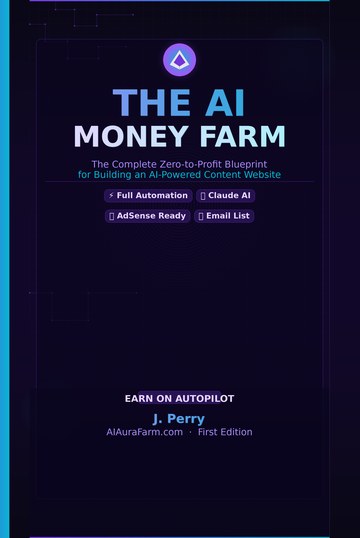
Want to Build a Site Like This One?
The AI Money Farm is the exact step-by-step blueprint behind AIAuraFarm.com.
Get It on Amazon →How AI Solves Real Problems for Plumbers
Plumbing is fundamentally a logistics business. You juggle multiple job sites, parts inventory, customer callbacks, and crew schedules, often on paper or across three different apps. AI doesn't replace your expertise, but it can eliminate the administrative friction that keeps you in the office instead of on jobs. Smart scheduling tools learn your routes and reduce drive time. AI-powered job management flags scope creep before it happens. Estimating software that learns from your past jobs generates quotes in minutes instead of hours.
The real opportunity for plumbers in 2026 is using AI for customer relationships and follow-up. Many plumbers still rely on handwritten notes and memory to track maintenance schedules or upsell work. AI CRM systems can remind you when a customer is due for a water heater inspection or send automated (but personalized) reminders about seasonal maintenance. The honest catch: most AI tools require consistent data entry upfront. If you're disorganized now, AI won't fix that overnight. But if you commit to minimal discipline, the return on time is significant.
⚡ Quick Picks
The Best AI Tools for Plumbers
1. ServiceTitan Best Overall
ServiceTitan is purpose-built for HVAC, plumbing, and electrical contractors. Its AI features include automated job scheduling that balances travel time, predictive maintenance alerts for recurring service calls, and intelligent routing that typically saves 15-20% in fuel and drive time. The platform integrates with your calendar, GPS, and customer history, so field techs see full context when they arrive on site. The learning curve is real for older shops, and the monthly cost adds up if you have multiple crews, but ServiceTitan's ability to turn data into dispatch efficiency is genuinely strong.
2. Housecall Pro Leading Competitor
Housecall Pro focuses on mobile dispatch and is simpler to set up than ServiceTitan if you're coming from pen-and-paper. It includes AI-assisted scheduling, automatic customer reminders, and payment processing. The mobile app is solid, and crews appreciate the user experience. One limitation: its AI isn't as advanced at learning complex routing patterns for multiple stops per day, so if you're managing 5+ concurrent jobs per crew member, ServiceTitan pulls ahead. Good starter platform if you want to move digital without enterprise complexity.
3. ChatGPT (Plus or Team) Most Versatile
This sounds generic, but ChatGPT is surprisingly effective for plumbing businesses with no budget for specialized software. You can give it your past estimates and ask it to generate new ones in your style. It writes follow-up emails, helps troubleshoot customer issues over the phone, and researches code requirements or material specs in seconds instead of browsing forums. The limitation: it has no integration with your scheduling or invoicing, so you're still copy-pasting. But for a solo plumber or small crew, ChatGPT + Google Sheets + basic invoicing gets you 70% of the way to a modern setup for under $30/month.
4. Buildots Photo + Documentation
Buildots uses computer vision and AI to analyze job site photos, extract measurements, and flag discrepancies. For plumbing, it's most useful on renovation or new-build projects where you need to document existing conditions and compare them to plans. You take a photo of a kitchen, Buildots extracts the sink layout and rough plumbing location, and you can layer your proposed changes on top. It streamlines visual communication with customers and protects you against scope creep disputes. The downside: overkill for routine service calls; best for shops doing remodels or new construction alongside service work.
5. Zoocasa Estimate & Proposal
Zoocasa is lighter-weight than Buildots and focuses on turning rough notes into polished estimates and proposals. You input job details, materials, and labor, and it generates branded PDFs that look professional. The AI learns from your past pricing and flags if a current estimate is unusually high or low. It integrates with some CRM tools and can auto-send quotes via email. Good fit for shops that want to look bigger than they are and reduce the time between site visit and estimate delivery. Limitation: no real job tracking after the estimate is accepted; you're still using another tool for execution.
6. Claude (via Claude.ai or API) Technical Assistant
Claude is often stronger than ChatGPT at technical analysis and reasoning through complex problems. For plumbers, this translates to better help diagnosing weird issues (sewer gas smell, intermittent pressure loss, code compliance questions). You describe symptoms and ask for step-by-step diagnostics. Claude's explanations tend to be more thorough and less prone to hallucination than some alternatives. You can also upload photos or documents (water damage, mold, old plumbing drawings) and ask Claude to analyze them. The catch: like ChatGPT, it needs manual workflow integration; no direct tie to your scheduling or CRM.
7. monday.com Crew Coordination
monday.com is a flexible work-management platform that you can customize for plumbing dispatch and job tracking. It includes basic AI features like task prioritization and workload balancing. You can see at a glance which crew is overloaded, which jobs are at risk of running over, and which customers haven't been called back. The visual board format appeals to teams used to Kanban workflows. Downside: it's less purpose-built than ServiceTitan, so setup takes longer and requires more configuration. Best for shops that already like monday.com for other business operations and want to extend it to field work.
8. Google Lens + Google Sheets Budget DIY
Google Lens can identify fixtures and materials from photos, which helps you estimate quickly on the fly. Snap a photo of a water heater, Lens identifies the brand and model, you look up specs and pricing, done. Combine that with a Google Sheets template (create rows for job date, customer, parts, labor, total) and you have a functional, AI-assisted workflow for nearly zero money. The downside is obvious: no automation, no integration, all manual. But if you're broke and just starting out, this genuinely works better than staying on paper. Graduate to paid tools once volume justifies it.
How to Adopt AI Tools as a Plumbing Contractor
Frequently Asked Questions
Do I need to worry about customer privacy with AI tools?
Yes, be thoughtful about it. When you use ChatGPT or Claude, avoid pasting full customer names, addresses, or payment details into the public web interface. Use Team versions (which have stronger privacy guarantees) or stick to generic descriptions. Most commercial plumbing platforms (ServiceTitan, Housecall Pro) are designed to comply with data protection laws, but read their privacy policies. The rule: if you wouldn't write it on a postcard and mail it to a stranger, don't paste it into a public AI chat.
Can AI really predict which customers will need repair work before they call me?
Partially. If you log maintenance records consistently in a CRM, AI can flag that a water heater installed seven years ago is reaching typical replacement age, or that a customer had a small leak last year and might be due for an inspection. This is more about pattern matching than prediction. The AI isn't magic; it's just reminding you to reach out to the right people at the right time. Actual accuracy depends on how complete your historical data is.
What if my crew refuses to use these tools?
Resistance is common and usually rooted in fear (of looking dumb, of losing autonomy, of extra work). The antidote is honest communication: tell them the tool's job is to reduce paperwork and driving, not to monitor them. Let them try it with a zero-judgment 30-day pilot. Often, once a tech sees they leave the office 20 minutes earlier because routing is optimized, they become advocates. If someone still resists after a fair trial, that's feedback about whether they're a fit long-term, but give people real time to adjust.
Is it worth paying for ServiceTitan or Housecall Pro if I'm a solo operator?
Honestly, probably not yet. Start with ChatGPT for estimates, basic Google Sheets for job tracking, and a free or cheap scheduling app (Google Calendar + Maps). Once you're consistent and thinking about hiring your first crew member, the premium platforms make sense. At one person, the administrative burden of a full-platform isn't justified by the cost. Save your money and reinvest it once you're growing.
The Bottom Line
AI won't make you a better plumber, but it can make you a better business operator by cutting administrative overhead and freeing you to focus on the actual work and customer relationships. For 2026, the practical move is to start small: try ChatGPT or Claude for estimates and troubleshooting (under $20/month), test Google Sheets templates, and only graduate to a full platform like ServiceTitan once you have multiple crews and can justify the $150+ monthly spend. Most plumbing shops report time savings of 5-10 hours per week after the first 60 days with a well-chosen tool, which translates to more jobs per month or better work-life balance. The investment is real, but the return is usually measurable within a quarter.