The 8 Best AI Tools for Nurses in 2026

Nursing is one of the most document-heavy jobs in healthcare, and AI is starting to give some of that time back. Here is an honest look at which tools actually help at the bedside and which are better left for admin tasks.
Start Aura Farming
Top AI money moves delivered every morning - free forever.
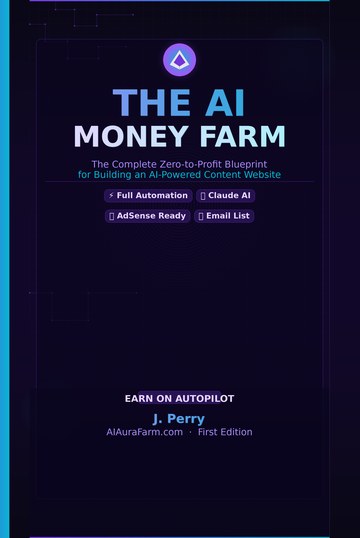
Want to Build a Site Like This One?
The AI Money Farm is the exact step-by-step blueprint behind AIAuraFarm.com.
Get It on Amazon →Why Nurses Are Turning to AI
Charting is the single biggest time sink in modern nursing. Studies and nurse surveys have repeatedly reported that documentation eats up a large chunk of every shift, time that could otherwise go to patients. AI tools that listen, transcribe, or draft notes are appealing because they attack that exact problem, and a growing number of hospital systems are piloting ambient documentation tools inside the EHR. Nurses also use general AI chatbots to draft patient education handouts, prep for certifications, and summarize dense clinical guidelines faster than reading a full policy document.
The honest caveat is that nursing is a field where patient privacy is not optional. Most consumer AI chatbots are not HIPAA compliant out of the box, and pasting real patient identifiers, room numbers, or diagnoses into a public tool like ChatGPT is a real risk that can violate facility policy and federal law. The tools below split into two camps: hospital-approved clinical AI that is built for patient data, and general-purpose AI that is genuinely useful but should only touch de-identified or non-clinical information. Always check your facility's AI policy before adopting anything new.
⚡ Quick Picks
The Best AI Tools for Nurses
1. DAX Copilot Editor's Pick
DAX Copilot, from Microsoft and Nuance, listens to a patient encounter and drafts a structured clinical note automatically. It was built mainly with physicians in mind, but many health systems are extending it to nursing workflows for admission notes and shift documentation. The catch is that access depends entirely on whether your employer has purchased it, so an individual nurse typically cannot just sign up on their own.
2. Suki AI Assistant Popular
Suki is a voice assistant designed to reduce documentation time by letting clinicians dictate notes that get converted into structured EHR entries. Nurses in outpatient and clinic settings have reported it saves real time on routine notes. It works best when integrated with your specific EHR, so check compatibility before committing.
3. ChatGPT Popular
ChatGPT is genuinely useful for drafting plain-language discharge instructions, brainstorming care plan language, or explaining a condition in patient-friendly terms before you personalize it. It is not HIPAA compliant, so never enter real patient names, room numbers, or identifiable details. Used for general, de-identified tasks, it is one of the fastest ways to save time on paperwork.
4. Claude Popular
Claude handles long documents well, which makes it handy for summarizing lengthy clinical practice guidelines, unit policies, or research articles into digestible bullet points. Like ChatGPT, it should be treated as a general writing and research tool rather than a clinical data system, and any output should be verified against your facility's actual policy before acting on it.
5. UpToDate Popular
UpToDate has added AI-powered search on top of its long-trusted clinical reference library, letting nurses ask a question in plain language and get a sourced, evidence-based answer faster than scanning a full article. It is not a chatbot that improvises, it pulls from vetted clinical content, which makes it more trustworthy for actual patient care decisions than a general AI assistant.
6. Epic AI Documentation Tools Popular
Epic, the EHR many hospitals already run on, has been rolling out AI features that draft shift handoff summaries and suggest note language directly inside the chart nurses already use. Because it lives inside the existing, secure EHR, it sidesteps most of the privacy concerns that come with outside chatbots. The downside is that nurses have no control over whether or when their facility turns these features on.
7. Otter.ai Popular
Otter.ai automatically transcribes and summarizes spoken conversations, which is genuinely helpful for staff meetings, unit in-services, or continuing education sessions where you want notes without typing the whole time. It is not built for patient encounters and should never be running during bedside conversations, since it stores audio and text on external servers.
8. UWorld Nursing Popular
UWorld uses adaptive, AI-driven question selection to focus study time on a nurse's weaker areas when prepping for the NCLEX or specialty certifications. Nurses and nursing students consistently rank it among the more effective prep tools, though it works best paired with hands-on clinical practice rather than as a standalone study method.
How to Actually Start Using These Tools
Frequently Asked Questions
Is it safe to use ChatGPT with patient information?
No, standard ChatGPT accounts are not HIPAA compliant and should never receive identifiable patient data. Stick to de-identified, general tasks and use your hospital's approved clinical AI tools for anything involving actual patients.
Will these tools replace clinical judgment?
No, every tool on this list is designed to support documentation and reference, not to make care decisions. Nurses remain responsible for verifying any AI-generated information before acting on it.
Do I have to pay for these tools myself?
It depends on the tool. Clinical documentation and EHR-based AI like DAX Copilot or Epic's features are typically paid for by the employer, while general tools like ChatGPT or Otter.ai often have individual plans a nurse could subscribe to personally if their facility does not provide equivalents.
Is AI going to reduce the number of nursing jobs?
There is no solid evidence pointing that direction so far. Most current AI tools in nursing target documentation burden and reference lookup, tasks that free up time for direct patient care rather than replace the clinical and interpersonal skills nursing requires.
The Bottom Line
For most nurses, the realistic starting point is free: use ChatGPT or Claude for non-clinical writing tasks like patient handouts or study notes, and lean on whatever ambient documentation or EHR-based AI your employer has already paid for, since those tools (DAX Copilot, Suki, Epic's features) are rarely worth buying out of pocket. If you want something purely for yourself, UpToDate access or a UWorld subscription in the low hundreds of dollars per year tends to pay off in saved time or exam results, while Otter.ai's roughly $10 to $20 monthly plan is a small cost for anyone drowning in meeting notes. The one rule that matters more than any tool choice is protecting patient privacy, so when in doubt, leave the patient details out.