The 8 Best AI Tools for Loan Officers in 2026

Loan officers face mounting pressure to process applications faster, reduce manual errors, and maintain strict compliance with financial regulations. AI tools designed for lending professionals can automate document verification, accelerate credit analysis, and improve customer communication, ultimately helping you close more loans while managing risk effectively.
Start Aura Farming
Top AI money moves delivered every morning - free forever.
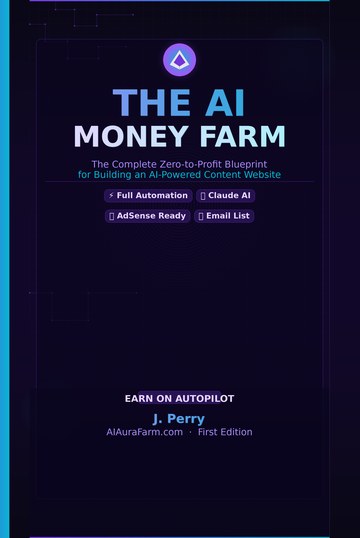
Want to Build a Site Like This One?
The AI Money Farm is the exact step-by-step blueprint behind AIAuraFarm.com.
Get It on Amazon →The Specific Problems AI Solves for Loan Officers
Loan officers spend significant time on repetitive tasks that slow down the lending cycle: manually reviewing financial documents, cross-referencing credit reports, verifying employment and income data, and preparing compliance checklists. These activities are error-prone when done by hand and create bottlenecks that delay approvals. AI tools can automate document extraction, flag inconsistencies in applications, and generate preliminary risk assessments, letting you focus on relationship building and complex decision-making rather than data entry.
Beyond processing speed, modern loan officers must balance efficiency with strict regulatory requirements around fair lending, data privacy, and financial compliance. Many AI solutions now include guardrails to help you stay within regulatory bounds, though human judgment remains essential for final approval decisions. The best tools for your role combine speed and accuracy with transparency, so you can trust the recommendations and explain your decisions to management and clients.
⚡ Quick Picks
The Best AI Tools for Loan Officers
1. ChatGPT Plus (GPT-4) Versatile
ChatGPT's advanced language model can quickly summarize lengthy financial documents, credit reports, and regulatory guidelines, saving you hours of review time each week. You can use it to draft professional email responses to clients, explain loan terms in plain language, and research current lending regulations. The main limitation is that it doesn't integrate directly into your core banking software, so you'll copy and paste content, and you must verify all output before using it in formal communications.
2. Docusign Intelligent Agreement Management Document Automation
Docusign uses AI to automatically populate loan documents with applicant data, flag missing fields before sending to clients, and track document status in real time. This reduces manual document assembly errors and speeds up the signing process, which is critical when you're managing multiple loan files simultaneously. The platform integrates with major banking systems and maintains audit trails for regulatory purposes, though setup and training require some initial investment.
3. LendingClub AI Credit Scoring Credit Analysis
LendingClub's machine learning models analyze credit profiles and transaction history to generate risk scores and loan pricing suggestions faster than manual underwriting. The tool considers non-traditional data points, which can help approve creditworthy applicants who might be rejected by older scoring methods. Be aware that AI credit scoring still carries bias risks and must be reviewed with fair lending policies in mind; never rely solely on the algorithm for final approval decisions.
4. Compliance.ai Regulatory Intelligence
Compliance.ai monitors changes in federal and state lending regulations and alerts you when new rules might affect your loan products or approval processes. It helps you stay current with Fair Lending Act updates, Dodd-Frank requirements, and local compliance rules without manually tracking dozens of regulatory sources. This reduces your compliance risk and ensures your approval practices align with current law, though you still need qualified legal or compliance staff to interpret how rules apply to your specific institution.
5. HubSpot with AI Workflows Client Communication
HubSpot's AI-powered workflow builder can automatically send personalized status updates to applicants, schedule follow-up calls based on application progress, and segment clients by loan type or creditworthiness. The platform integrates email, SMS, and call tracking in one dashboard, making it easier to manage multiple interactions without switching between tools. The learning curve is moderate, and you'll need to set up workflows carefully to ensure messages are timely and compliant with anti-spam regulations.
6. Blend Labs Underwriting Engine End-to-End Automation
Blend's AI-driven underwriting platform automates document requests, verifies income and employment, and flags conditions that need borrower attention before final approval. It integrates with most core banking systems and can reduce loan processing time from weeks to days. The downside is that it's primarily designed for larger lenders and banks, so it may not be cost-effective for independent loan officers or small shops, and implementation requires significant IT support.
7. Google Gemini Business Collaborative Intelligence
Gemini integrates with Google Workspace and can analyze loan portfolio data, spot trends in application approval rates, and generate insights about market opportunities. You can ask it to compare borrower profiles across your current applications or draft presentations for management meetings. It works best as a thinking partner rather than a transaction tool, and you should always verify data manually before making decisions based on its output.
8. Claude 3 (via Claude.ai or API) In-Depth Analysis
Claude excels at working through multi-page financial documents, interpreting complex regulatory language, and offering detailed analysis of borrower financial situations. Many loan officers find it more reliable than other general AI for handling nuanced financial and legal content. Like ChatGPT, it requires manual integration with your workflow, and you must review all outputs; it's best used as a reference tool rather than an automated decision-maker.