The Best AI Tools for Freelance Writers in 2026

Freelance writing hasn't gotten easier, but the tools around it have. Here's a straightforward look at which AI tools genuinely save time and money for working freelancers in 2026, and which ones are just hype.
Start Aura Farming
Top AI money moves delivered every morning - free forever.
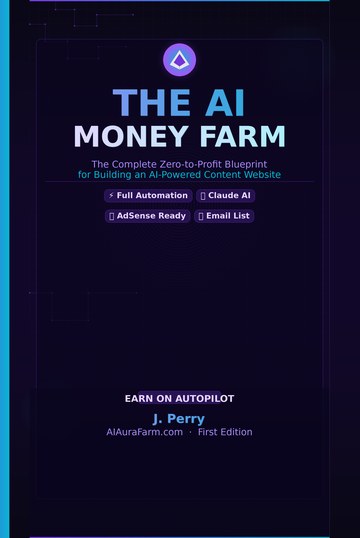
Want to Build a Site Like This One?
The AI Money Farm is the exact step-by-step blueprint behind AIAuraFarm.com.
Get It on Amazon →Why Freelance Writers Need These Tools
Freelance writing in 2026 comes with the same grind points it always has: staring at a blank page against a deadline, burning unpaid hours on research before you type a single billable sentence, and translating a client's vague feedback ('make it pop more') into an actual revision. AI tools don't replace the craft or the judgment, but they genuinely cut into the unpaid overhead of the job, the research, the transcription, the first-draft structuring, the line edits, so more of your hours are billable ones.
The honest caveat: a growing number of clients now explicitly forbid AI-generated copy in contracts, and AI-detection tools flag human writing as machine-made often enough that they can't be trusted as proof of anything. Using these tools well in 2026 means using them as a research assistant and editor, not a ghostwriter you copy-paste from, and being upfront with clients about your workflow when they ask.
⚡ Quick Picks
The Best AI Tools for Freelance Writers
1. ChatGPT Editor's Pick
ChatGPT is the tool most freelance writers reach for first, and for good reason: it's fast at turning a messy brief into a working outline, summarizing research sources, and drafting rough sections you then rewrite in your own voice. Its weakness is that unedited output tends to sound generic and occasionally states things confidently that aren't true, so fact-checking is non-negotiable. Treat it as a research and structuring partner, not a final draft generator.
2. Claude Nuanced Editing
Claude is typically reported to handle long documents and nuanced tone requests better than most alternatives, which matters when you're editing a 3,000-word client piece or matching a brand's specific voice guide. Freelancers often use it to paste in a client's style guide alongside a draft and ask for edits that respect both. It's not free of factual slip-ups either, so verify any claims or statistics it introduces.
3. Grammarly Grammar & Style
Grammarly runs quietly in the background of your writing app and catches typos, awkward phrasing, and tone issues that are easy to miss on a deadline. Its AI-generated rewrite suggestions are hit or miss and can flatten a distinctive voice if you accept them uncritically. Most freelancers use it as a final proofreading pass rather than a drafting tool.
4. Originality.ai Plagiarism & AI Detection
A growing number of clients scan submitted work for both plagiarism and AI-detection scores, so running your own drafts through Originality.ai before delivery can save an awkward conversation. Be aware that AI-detection scores are unreliable and can falsely flag genuinely human-written text, so a high score isn't proof of anything, but it's still worth knowing what a client's scanner might show.
5. Sudowrite Creative Writing
Built specifically for fiction and creative writers, Sudowrite offers brainstorming, description expansion, and 'what happens next' style prompts tuned for narrative work rather than marketing copy. Freelance novelists and short-story writers report it's genuinely useful for pushing past a stuck scene, though it's overkill and poorly suited if your freelance work is mostly blog posts or business copy.
6. Otter.ai Interview Transcription
Any freelancer who does interview-based journalism or profile writing knows transcription is a time sink, and Otter.ai automates most of it with reasonably accurate speech-to-text and searchable transcripts. Accuracy drops with heavy accents, crosstalk, or poor audio, so always do a listen-back pass before quoting someone directly, especially for sensitive or on-record statements.
7. Hemingway Editor Readability
Hemingway Editor flags long sentences, passive voice, and unnecessary adverbs, which is useful for writers whose clients want punchy, readable web copy. It's a rules-based tool rather than a true AI assistant, so it won't catch factual issues or restructure an argument, but it's a fast, free way to tighten a draft before submission.
8. ProWritingAid Deep Style Editing
ProWritingAid goes deeper than basic grammar checkers, offering reports on overused words, sentence variety, and pacing that are especially useful for freelancers writing books, long-form guides, or serialized content. The reports can feel overwhelming on a tight deadline, so most writers use it selectively on final drafts rather than every piece.
How to Actually Adopt These Tools
Frequently Asked Questions
Will clients know if I used AI?
Sometimes, and sometimes not. AI-detection tools are unreliable in both directions, flagging human writing as AI and missing AI-assisted text, so the safer approach is being honest with clients about your process rather than relying on detectors to protect you.
Is it ethical to use AI for freelance writing?
Most writers and editors consider it ethical to use AI for research, outlining, and editing as long as the final work reflects genuine human judgment and the client isn't misled about authorship when it matters to them. Passing off fully AI-generated copy as entirely your own original work, especially for clients who've contractually banned it, is where it becomes a real problem.
Will AI replace freelance writers?
It's already replaced some of the lowest-paying, highly templated content mill work, but clients who need original reporting, a distinct voice, or subject-matter expertise still consistently pay for human writers. The freelancers most at risk are those who never developed a niche or voice beyond generic content.
Which tool should I start with if I can only pick one?
ChatGPT or Claude cover the widest range of freelance writing tasks, research, outlining, and editing, for a single monthly cost, so most writers get the most value starting there before adding a specialized tool like Grammarly or Otter.ai.
The Bottom Line
None of these tools are magic, and none of them are free of real limitations, but stacked together they typically save a working freelance writer several hours a week on research, transcription, and proofreading. Budgeting around $30 to $50 a month for a core AI assistant plus a grammar checker is reasonable for most freelancers, and that cost is easy to justify the first time it helps you take on an extra client or hit a tight deadline you'd otherwise have missed.