The Best AI Tools for Financial Advisors in 2026

Financial advisors are drowning in meeting notes, compliance documentation, and repetitive client emails. Here's an honest look at which AI tools actually save time in 2026, and which ones you should keep away from client data.
Start Aura Farming
Top AI money moves delivered every morning - free forever.
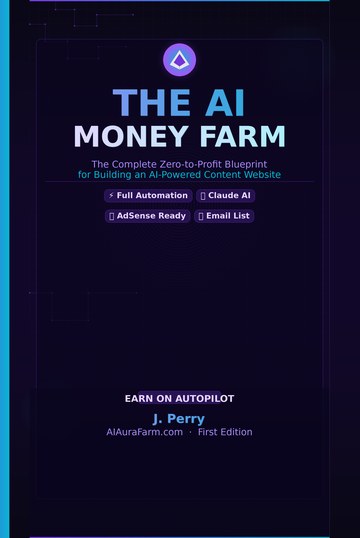
Want to Build a Site Like This One?
The AI Money Farm is the exact step-by-step blueprint behind AIAuraFarm.com.
Get It on Amazon →Why Financial Advisors Are Turning to AI
Most financial advisors don't need help finding investment ideas. They need help getting through the day. A typical advisor spends hours each week writing meeting notes, updating the CRM, drafting follow-up emails, and reformatting the same financial planning talking points for different clients. None of that generates revenue directly, but all of it eats into the time an advisor could spend actually meeting with clients or prospecting. AI tools built for this workflow, meeting notetakers, tax scanning software, and drafting assistants, are addressing exactly this problem, and advisors who've adopted them typically report getting a few hours back per week.
The honest caveat is that financial advice sits inside a heavily regulated industry, and client data is sensitive in ways that matter legally, not just ethically. SEC and FINRA record-keeping requirements, fiduciary obligations, and basic client trust mean an advisor can't just paste a client's account balance and social security number into a free chatbot to get a summary. The tools worth using are the ones built with advisor-specific data agreements and compliance features in mind, or general tools used carefully with no personally identifiable information ever entered. This guide separates the two categories honestly.
⚡ Quick Picks
The Best AI Tools for Financial Advisors
1. Jump AI Editor's Pick
Jump AI joins your client meetings (in person or virtual), transcribes them, and automatically drafts follow-up emails, meeting summaries, and CRM entries formatted the way advisors actually write them. It integrates with common advisor CRMs like Wealthbox and Redtail, which cuts out a lot of manual re-entry. The main limitation is that accuracy depends on audio quality, and advisors still need to review outputs before anything goes to a client, since it can occasionally misattribute numbers discussed verbally.
2. Zocks Compliance-Focused
Zocks positions itself specifically around advisor compliance needs, generating meeting summaries and flagging conversation topics that might need documentation under suitability or fiduciary rules. It's a solid fit for firms whose compliance officers want more visibility into what's being said in client meetings. It's a newer entrant than some competitors, so support and integration depth can vary by firm size.
3. Holistiplan Tax Planning
Holistiplan reads a client's tax return (a PDF upload) and generates a one-page summary along with specific tax planning opportunities, like Roth conversion windows or harvesting opportunities. Advisors consistently cite it as a major time saver during tax season since manual return analysis used to take much longer. Its scope is narrower than a full planning platform, so it's typically used alongside a broader financial planning tool rather than replacing one.
4. Catchlight Prospecting
Catchlight, backed by Fidelity, uses AI to estimate a prospect's likelihood of needing an advisor and their approximate investable assets, helping advisors decide who to follow up with first. It's particularly useful for advisors doing their own prospecting rather than relying purely on referrals. The estimates are directional, not guaranteed, so treat the scores as a starting filter rather than gospel.
5. FP Alpha Planning Analysis
FP Alpha ingests documents like wills, trusts, and insurance policies and surfaces gaps or planning opportunities across estate, tax, and risk management, areas most advisors don't have time to review line by line for every client. It works well as a second set of eyes rather than a replacement for an estate attorney's review. Some advisors find the interface has a learning curve before it becomes a natural part of the workflow.
6. Wealthbox CRM with AI
Wealthbox is a popular advisor CRM that has added AI features for drafting client emails, summarizing notes, and suggesting follow-up tasks directly inside the platform advisors already use daily. Because it's the system of record, it avoids the extra step of copying data between tools. It's not a dedicated meeting notetaker, so many firms pair it with Jump AI or Zocks for that piece.
7. ChatGPT (Plus/Team) General Assistant
ChatGPT is genuinely useful for advisors who need to draft a quarterly market letter, rewrite a dense planning concept in plain language for a client, or summarize a long article on tax law changes. The critical rule is never to input actual client names, account numbers, or identifying details into the consumer version, since it's not built with advisor-specific data protections. Used for general drafting and research, it's one of the cheapest time savers on this list.
8. Claude Document Analysis
Claude handles long document uploads well, which makes it useful for summarizing a fund prospectus, a lengthy financial plan draft, or compliance memos before a meeting. Advisors report it tends to stay more grounded and less prone to inventing details than some alternatives when working with dense text. As with ChatGPT, client-identifying information should be stripped out before uploading anything.
9. Microsoft Copilot (365) Productivity
For advisors already on Microsoft 365, Copilot drafts emails in Outlook, summarizes Teams meeting recordings, and builds first-draft Excel formulas without leaving familiar apps. Because it runs inside a firm's existing Microsoft tenant with enterprise data commitments, it's generally a safer option for handling client-adjacent tasks than a consumer chatbot. It's still worth confirming your firm's specific data residency and compliance settings with IT before broad rollout.
How to Actually Start Using These Tools
Frequently Asked Questions
Is it safe to use ChatGPT for client work?
It's safe for general tasks like drafting a generic email template or summarizing public market news, but you should never enter a client's name, account details, or personal information into the free or Plus consumer version. For anything involving actual client data, use an advisor-specific tool with a signed data protection agreement.
Will AI replace financial advisors?
Unlikely in the near term. Clients typically hire advisors for judgment, accountability, and a relationship they trust during market volatility, none of which AI replicates. AI is more realistically replacing the paperwork and prep time around advice, not the advice relationship itself.
Do these tools comply with SEC and FINRA record-keeping rules?
It depends on the specific tool and how your firm configures it, so this isn't something to assume. Always confirm directly with your compliance officer and read the vendor's data handling documentation before using any AI tool with real client interactions.
What's the realistic total cost of adopting a few of these tools?
A solo advisor might reasonably spend somewhere between $150 and $400 a month combining a meeting notetaker, a tax or planning tool, and a general assistant subscription. Larger firms negotiating per-seat enterprise pricing will see different numbers, so it's worth requesting a quote before assuming a price from a website.
The Bottom Line
The financial advisors getting real value from AI in 2026 aren't using it to generate investment advice, they're using it to claw back hours spent on notes, emails, and document review so they can spend more time actually talking to clients. Realistic monthly costs range from around $20 for a general assistant to a few hundred dollars a month once you add a meeting notetaker and a tax or planning tool, which is a modest investment against the hours it typically saves. The one rule that matters more than any feature comparison is protecting client confidentiality: keep real client data inside tools built with advisor-grade data agreements, and clear any new AI vendor with your compliance team before it touches a real client file.