The 8 Best AI Tools for Event Planners in 2026

Event planning has become exponentially more complex as client expectations rise and budgets tighten. AI tools now handle routine tasks like guest list management, vendor communication, timeline creation, and budget tracking, freeing planners to focus on creative strategy and relationship building.
Start Aura Farming
Top AI money moves delivered every morning - free forever.
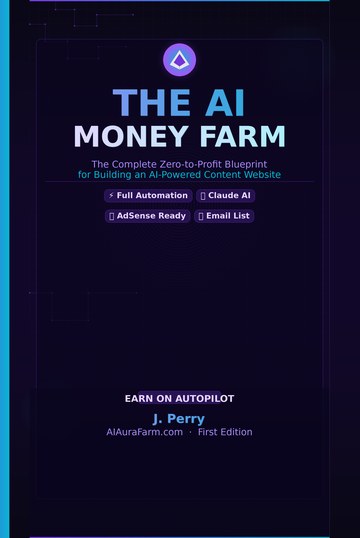
Want to Build a Site Like This One?
The AI Money Farm is the exact step-by-step blueprint behind AIAuraFarm.com.
Get It on Amazon →How AI Solves Real Problems for Event Planners
Event planners juggle dozens of moving parts simultaneously: vendor timelines, guest RSVPs, budget tracking, seating arrangements, timeline coordination, and last-minute changes. Every miscommunication between a caterer and florist, every duplicate guest entry, every forgotten follow-up email compounds into stress and potential disasters. AI tools now automate the administrative friction that consumes 40-50% of a planner's week, whether that's data entry, schedule conflict resolution, or generating multiple vendor quote comparisons.
The practical reality is that AI cannot replace the taste, judgment, and interpersonal skill that define excellent event planning. But it can eliminate busywork, catch scheduling conflicts before they become crises, and generate first drafts of timelines and budget projections that would take hours to build manually. The best tools in 2026 integrate seamlessly into existing workflows, connect to email and calendar systems, and respect the confidential nature of client information and negotiations.
Lightning Picks
The Best AI Tools for Event Planners
1. Claude 3.5 Sonnet Best Overall
Claude excels at understanding context and nuance in event-specific requests: ask it to draft a vendor RFP that maintains professional tone while negotiating deadline flexibility, and it produces polished, negotiation-ready copy in seconds. Event planners use it to generate multiple timeline scenarios, create guest communication templates that feel personal rather than templated, and organize chaotic spreadsheets into structured event checklists. The conversational interface means you can iterate quickly ("Make that more casual," "Add contingency dates") without learning new software. The main limitation is that it has no native calendar or CRM integration, so you'll copy-paste outputs into your actual systems rather than automated handoffs.
2. monday.com Vendor & Task Hub
monday.com's AI automations specifically help event planners by auto-assigning tasks based on vendor response times, generating status summaries from scattered comments, and flagging timeline conflicts when caterers and decorators have overlapping access windows. The visual timeline and kanban boards make it immediately clear which vendors are behind schedule or haven't confirmed. Built-in integrations with Slack and email mean vendor confirmations can auto-update your timeline without manual data entry. The learning curve is modest if your team already uses project tools, but feature overload can feel like overkill for solo planners managing smaller events.
3. Splash Guest Experience
Splash uses AI to parse RSVP responses (even unstructured text replies like "yes plus 2 kids and one is gluten free") and automatically populate guest databases with dietary restrictions, plus-one names, and accessibility needs. It suggests seating arrangements based on relationship data (past attendees, shared interests, company affiliations) and sends automated reminders to non-responders without flooding inboxes. The integration with Eventbrite and other ticketing platforms saves hours of manual reconciliation. Limitation: the AI suggestions are decent but sometimes miss social or family dynamics that planners instinctively know; always review suggestions before finalizing seating.
4. Motion Schedule & Budget
Motion's AI scheduling engine can take a chaotic event timeline (vendor setup 2-hour window, ceremony 45 minutes, cocktail hour, dinner, entertainment, breakdown) and optimize the sequencing to minimize conflicts and slack time. It also learns your historical budget patterns across similar events and flags when current vendor quotes deviate significantly, helping you spot negotiation opportunities. For planners managing multiple simultaneous events, Motion's task batching reduces context-switching by grouping all vendor calls or all design decisions into coherent blocks. The budget forecasting requires consistent historical data; newer planners won't see much benefit until they've logged several events.
5. HubSpot Client & Vendor CRM
HubSpot's AI tools help event planners by auto-generating customized proposals from client intake data, tracking every email and call with clients/vendors in a searchable timeline, and automatically scheduling follow-up tasks when deals stall. The sales pipeline view lets you see which events are in "quote sent, awaiting decision" vs. "contracted, waiting deposit" at a glance. Email tracking reveals which prospects have opened proposals (and when), so you know the optimal time to follow up. For solo planners or small agencies, the free tier is surprisingly capable; the limitation is that it's heavier than needed if you're just managing one or two events per year, and its event-specific features are generic (not tailored to catering choices or vendor logistics).
6. Zapier Workflow Automation
Zapier acts as the connective tissue between your event planning tools: when a guest RSVP arrives via Splash, Zapier can automatically add their dietary restrictions to your catering spreadsheet, send a confirmation email, and create a task in monday.com. It's not itself an AI tool but it automates away the manual bridging that occurs when your CRM, spreadsheets, calendar, and communication platforms don't natively talk. Most event planners set up 5-10 critical workflows (new lead triggers proposal template, vendor confirmation updates timeline, catering count reaches 80% of estimated = trigger final headcount call) and save 3-5 hours per event. Requires some upfront setup thinking and technical comfort with "if this, then that" logic, but dramatically reduces data re-entry.
7. Copilot Pro (Microsoft) Spreadsheet & Email AI
If your event planning backbone is Excel and Outlook (common for planners at agencies or solo practitioners), Copilot Pro adds AI analysis directly inside those tools. Paste vendor quotes and ask Copilot to compare line items, flag outliers, and suggest negotiation points. Use it to draft professional vendor follow-ups directly in Outlook, or to analyze your budget spend by category and flag overages automatically. It understands spreadsheet relationships better than generic AI, making it excellent for "what if we cut entertainment by 10% and added florals" scenario modeling. The main limitation is it stays within Microsoft products; if you use Google Workspace or Asana, this doesn't help.
8. Descript Audio & Video Coordination
Descript transcribes vendor calls automatically, making it simple to create written follow-up lists ("Caterer confirmed gluten-free options, needs final count by Friday") without manually taking notes. For events with videography, Descript's AI can automatically generate highlight reels by detecting applause, key moments, and speaker changes, turning hours of raw footage into a polished 3-minute recap clients love. It also enables planners to record brief video messages to clients (like a welcome video or day-of timeline walkthrough) by editing text rather than reshooting. The transcription accuracy is typically high but can struggle with thick accents or noisy venue walkthroughs; always review before sharing transcripts with clients.
How to Adopt AI Tools into Your Event Planning Workflow
Frequently Asked Questions
Can AI replace a human event planner?
No. AI handles scheduling, data organization, and routine communication, but taste, relationship building, creative problem-solving, and the ability to read a room and adapt on the fly are irreplaceably human. AI is a force multiplier that lets planners spend less time on spreadsheets and more time on strategy and client relationships.
What should I watch out for regarding client data privacy?
Always check whether the tool encrypts data in transit and at rest, whether it trains proprietary AI models on your event data, and what their data retention policy is after you delete an event. For sensitive client information or competitive venue negotiations, consider enterprise plans that offer private deployment or data processing guarantees.
How much does a full AI event planning stack typically cost?
A minimal setup (Claude Pro + monday.com) runs around $40-50/month. A more comprehensive stack (HubSpot, monday.com, Zapier, Descript, plus Claude) typically ranges from $150-400/month depending on team size and usage tier. Many planners start lean and add tools as revenue grows.
Do these tools work for virtual or hybrid events?
Most do, though their strength varies. Tools like Splash and HubSpot handle virtual guest registration and reminder automation well. Timeline and vendor coordination tools (monday.com, Motion) are slightly less intuitive for hybrid formats since setup/breakdown logistics differ; you'll need to manually track which vendors are onsite vs. remote.
The Bottom Line
The best AI tools for event planners in 2026 are those that integrate into your existing workflow rather than demanding you learn an entirely new platform. Claude 3.5 Sonnet offers the highest versatility for brainstorming and drafting at minimal cost, while monday.com excels at team coordination and vendor tracking for events with multiple stakeholders. For guest management and budget forecasting, Splash and Motion provide specialized features that generic AI cannot match. The total investment typically ranges from $0 (using free tiers of Claude and HubSpot) to $300-400 per month for a comprehensive stack, which most planners recover in 10-15 hours of reclaimed time per quarter. Start with your most time-consuming bottleneck, test thoroughly before scaling, and always safeguard client confidentiality. The planners who gain the most from AI are those who view these tools as assistants that free them to focus on relationships and creativity, not as replacements for human judgment.