The 8 Best AI Tools for Dropshippers in 2026

Dropshipping margins are thin and competition is fierce. AI tools can automate product sourcing, generate high-converting product descriptions, handle customer inquiries 24/7, and forecast demand so you don't get stuck with dead inventory. Here are the eight tools that actually move the needle for dropshippers in 2026.
Start Aura Farming
Top AI money moves delivered every morning - free forever.
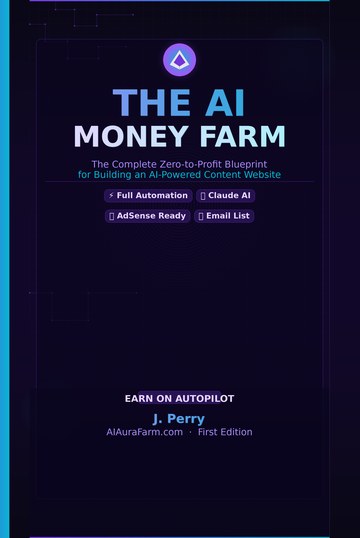
Want to Build a Site Like This One?
The AI Money Farm is the exact step-by-step blueprint behind AIAuraFarm.com.
Get It on Amazon →Why Dropshippers Need AI Right Now
Dropshipping success hinges on three bottlenecks: finding winning products fast, converting browsers into buyers with compelling copy, and scaling customer service without hiring full teams. Manual workflows choke profitability. You're spending hours researching competitor listings, writing product descriptions, answering repetitive customer questions, and managing supplier communications across platforms. Even a 10-person operation can lose 20+ hours per week to these tasks alone. AI doesn't replace your judgment; it handles the repetitive work so you can focus on strategy and customer relationships.
The second problem is data overload. Thousands of potential products exist, but only a fraction will sell in your market. AI tools now analyze TikTok trends, Amazon bestseller movements, social media sentiment, and supplier catalogs simultaneously to surface real opportunities. They also generate product variants, A/B test subject lines, and flag inventory risks before they become disasters. For dropshippers operating on 15-25% margins, automation isn't a luxury; it's the difference between scaling profitably and burning out.
⚡ Quick Picks
The Best AI Tools for Dropshippers
1. ChatGPT Plus Essential
ChatGPT remains the most versatile tool for dropshippers. Use it to brainstorm product niches, draft product descriptions that convert, write supplier negotiation emails, analyze competitor websites, and even code Shopify automations. The web browsing feature lets you research real-time trends on TikTok, Reddit, and Google Trends. For dropshippers juggling a dozen tasks daily, ChatGPT is the closest thing to a business partner that costs $20 per month. Limitations: it doesn't integrate directly with Shopify or inventory systems, and its product research is based on public data only, not actual sales metrics.
2. Helium 10 Premium
Helium 10 is purpose-built for Amazon sellers and FBA dropshippers. Its AI analyzes millions of Amazon products to identify category gaps, forecast demand, estimate profit margins, and suggest pricing. The Keyword Tool runs AI-powered semantic analysis, and the Market Tracker monitors competitor inventory, pricing changes, and review sentiment in real time. If your dropshipping operation leans toward Amazon, Helium 10's accuracy is hard to beat. The trade-off: steep pricing for smaller stores, and data is Amazon-specific, so you'll need supplementary tools for other channels like Shopify or social commerce.
3. Jasper High-ROI
Jasper is an AI copywriter trained on high-converting e-commerce content. Feed it your product specs and brand voice, and it generates compelling descriptions, email sequences, ad copy, and social posts in seconds. The Brand Voice feature remembers your writing style, so every output feels authentic. Dropshippers often struggle with description writing because good copy is time-consuming; Jasper cuts that to minutes while maintaining quality. Limitation: AI-generated copy always needs a human review for brand tone and factual accuracy; this isn't a fully hands-off tool.
4. Tidio Essential
Tidio combines a live chat platform with AI-powered chatbots that answer typical dropshipping questions: shipping times, refund policies, product availability, and order tracking. The chatbot learns from your FAQ and handles 60-80% of inquiries without human intervention, routing complex questions to your team. It integrates with Shopify, Instagram, and Facebook, centralizing customer conversations. For dropshippers who can't afford 24/7 support staff, Tidio bridges the gap. Caution: customer service is often the trust point in dropshipping; poorly configured bots frustrate customers, so allocate time to training and monitoring.
5. Oberlo AI Shopify-Native
Oberlo, owned by Shopify, imports products from AliExpress and uses AI to forecast which items will trend. The Analyze feature scores products by estimated demand, competition, and profit margin. Its AI also auto-adjusts pricing based on cost fluctuations and market conditions. For Shopify-first dropshippers, Oberlo's native integration means fewer manual steps. The trade-off: product selection still requires market judgment; AI flags potential winners but doesn't guarantee success, and you're somewhat locked into the Shopify ecosystem.
6. Copy.ai Budget-Friendly
Copy.ai is a lighter-weight alternative to Jasper, offering templates for product ads, email campaigns, and landing page copy. It's particularly strong for rapid A/B testing; generate five variations of a headline or product description in under a minute. Dropshippers running paid ads on Facebook or Google can use Copy.ai to test messaging without hiring a copywriter. Its main strength is speed and affordability. Downside: outputs are sometimes generic and require more customization than Jasper; best suited for dropshippers comfortable doing final tweaks.
7. MonitorBase (AI-Enhanced Supplier Intel) Niche
MonitorBase uses AI to track supplier performance across Alibaba, Global Sources, and other platforms, flagging quality dips, order delays, and communication issues before they impact you. It also auto-generates professional supplier outreach templates. For dropshippers working with overseas suppliers, this prevents the expensive surprises: delayed shipments, quality degradation, or supplier abandonment mid-season. Limitation: this is a premium tool targeting established operations; not necessary for tiny stores but valuable once you're scaling.
8. Perplexity AI Research
Perplexity AI is a search engine powered by large language models that synthesizes real-time web data into clear insights. Ask it "What products are trending on TikTok in fashion for Gen Z right now?" and it returns sourced, current answers with citations. For dropshippers, this beats manual searching or relying on stale trend reports. It's particularly good for validating niches before product sourcing. Trade-off: it's a research accelerator, not a decision-maker; you still need market judgment to pick winners.