The 8 Best AI Tools for Construction Managers in 2026

Construction managers juggle timelines, budgets, safety compliance, and teams across multiple sites. AI is reshaping how they stay on top of it all, from automated scheduling to predictive risk alerts.
Start Aura Farming
Top AI money moves delivered every morning - free forever.
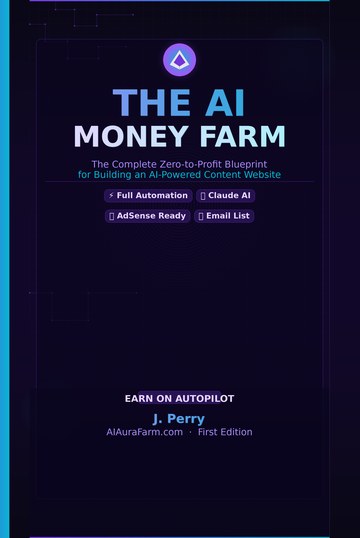
Want to Build a Site Like This One?
The AI Money Farm is the exact step-by-step blueprint behind AIAuraFarm.com.
Get It on Amazon →The Construction Management Challenge: Where AI Steps In
Construction managers face relentless pressure: projects run behind schedule, material costs spike unexpectedly, safety incidents derail timelines, and communication gaps between field crews and office staff breed costly mistakes. Traditional spreadsheets and email chains simply cannot keep pace with the complexity of modern construction. Team members working across multiple locations, subcontractors with varying communication styles, and regulatory deadlines create a perfect storm of friction points where small oversights become expensive problems.
AI tools are now purpose-built to address these specific pain points. They automate routine scheduling and cost tracking, flag safety risks before incidents occur, and consolidate scattered project data into single dashboards that the whole team can access. The best AI construction tools don't replace judgment; they amplify it by surfacing insights fast enough to act on them. For a construction manager in 2026, adopting even two or three of these tools can mean catching budget overruns weeks early, reducing rework, and keeping teams safer.
⚡ Quick Picks
The Best AI Tools for Construction Managers
1. ChatGPT Plus Most Versatile
ChatGPT Plus (or Claude Pro) serves as a Swiss Army knife for construction managers. Feed it a contract clause and ask for plain-English interpretation; paste a scope-of-work list and get a first-draft timeline; upload a budget spreadsheet and ask for cost-saving insights. The AI won't catch every legal nuance, so always have counsel review contracts, but it dramatically speeds up routine document review and brainstorming. Limits: it doesn't integrate live with your project databases, and responses are only as good as the data you feed it.
2. Touchplan Scheduling & Coordination
Touchplan uses AI-assisted drag-and-drop scheduling to help construction teams plan tasks, assign resources, and spot bottlenecks visually. Its AI learns from historical project data to flag unrealistic timelines and suggest schedule optimizations. The interface is intuitive enough that crews in the field can update task status on mobile, and managers see changes in real time. The AI doesn't make decisions for you; it surfaces conflicts and dependencies that humans might miss on a chaotic job with 50 concurrent tasks.
3. SafeAI Safety & Compliance
SafeAI uses computer vision and machine learning to analyze job site photos and video feeds, detecting hazards like missing hard hats, unsecured scaffolding, or improper lifting in real time. It logs incidents, auto-generates compliance reports, and alerts safety managers to trends before accidents happen. This directly reduces workers' comp claims and OSHA violations. Caveat: camera placement and data privacy policies must comply with labor laws and worker consent requirements in your jurisdiction.
4. Bridgit Bench Resource & Budget Planning
Bridgit Bench uses AI to forecast labor demand based on project timelines and historical utilization patterns, helping managers avoid over/understaffing and budget overruns. The tool integrates with payroll and accounting systems, so actual labor costs feed back into forecasts automatically. It's especially useful for managing multiple projects and subcontractors. The AI isn't magic; it needs clean historical data to be accurate, and no algorithm can predict a sudden labor shortage or union strike.
5. Procore AI Assistant Project Management Hub
Procore's AI features help construction managers draft RFIs (Requests for Information) faster, route change orders to the right parties, and retrieve buried project documents instantly using natural language search. If you're already in Procore, the AI layer feels seamless; if you're not, the platform's cost and learning curve may outweigh the AI benefit for smaller teams. It integrates with accounting software, so budget data stays current, but your team must keep Procore data clean for AI recommendations to be trustworthy.
6. Fieldwire Daily Reporting & Compliance
Fieldwire uses AI to tag photos, flag missing daily log entries, and generate progress reports automatically. Crews take photos on site; the AI organizes them by location and task, cross-references them with the schedule, and alerts the manager if progress is lagging. This cuts the time managers spend on manual reporting and improves transparency with clients. The catch: site photos must be taken consistently, and the AI tagging is accurate but not flawless, so spot-checks are still necessary.
7. Claude (via Web or API) Analysis & Insights
Claude excels at processing long, dense documents and spotting patterns humans miss. Upload a year of incident reports and ask for trends; feed it a competitor's bid and a client's budget cap and explore value-engineering ideas; paste a new safety regulation and get a plain-language summary for your crew. Unlike ChatGPT, Claude often handles longer documents more carefully. Limitation: it's not real-time or integrated with your project systems, so it's best used as an analytical second brain, not an operational tool.
8. MasterMinds (or Slack + Zapier Automation) Team Communication
Using Slack with AI-powered automation (via Zapier, Make, or custom scripts), you can route safety alerts, budget warnings, and schedule changes to the right people automatically, filtering out noise so managers see only critical issues. Slack's native AI summarizes long threads, so you can catch up on days of field-crew chatter in 30 seconds. It's less a dedicated tool than a glue layer that makes existing tools smarter, but for teams already on Slack, the ROI is immediate and the cost is minimal.
Getting Started: Adoption Steps
Frequently Asked Questions
Will AI tools replace construction managers?
No. AI removes tedium (scheduling, reporting, data entry) but cannot replace judgment, client relationships, or on-site leadership. A manager who learns to use AI becomes more effective, not redundant. The risk is not obsolescence but falling behind peers who adopt these tools faster.
How do I ensure client data and bid details stay confidential?
Use only tools hosted on secure servers (check their SOC 2 certification) and avoid pasting confidential bid numbers or client names into public AI like ChatGPT free tier. For sensitive work, use Claude Pro or enterprise Procore, which offer better data privacy guarantees. Always review your tool's data handling and retention policies.
What's the realistic ROI on these tools for a small contractor?
Typically, contractors report saving 2-5 hours per week on admin tasks within the first month, which at $50-80/hour labor cost more than justifies the tool subscription. Safety tools often pay for themselves by preventing a single OSHA fine or workers' comp claim. Start small and track time/cost savings yourself before scaling.
Do I need all eight tools?
No. Most construction managers get strong results with two to three tools: one for scheduling, one for safety/compliance, and one for communication or budgeting. Avoid tool bloat; add tools only when a specific problem recurs despite your current setup.
The Bottom Line
Construction management in 2026 means working smarter, not just harder. The AI tools listed here are proven, affordable, and purpose-built for the specific challenges you face: schedule pressure, budget creep, safety compliance, and communication friction. Start by identifying your biggest pain point, pick one or two tools from this guide, run a one-month pilot with your team, and measure what changes. The cost is modest (typically $50-300/month to start), but the time saved and risks prevented add up fast. The construction managers who thrive this year won't be the ones working 60-hour weeks on spreadsheets; they'll be the ones using AI to see problems three weeks early and act on them. Your next job is the perfect place to test this.